
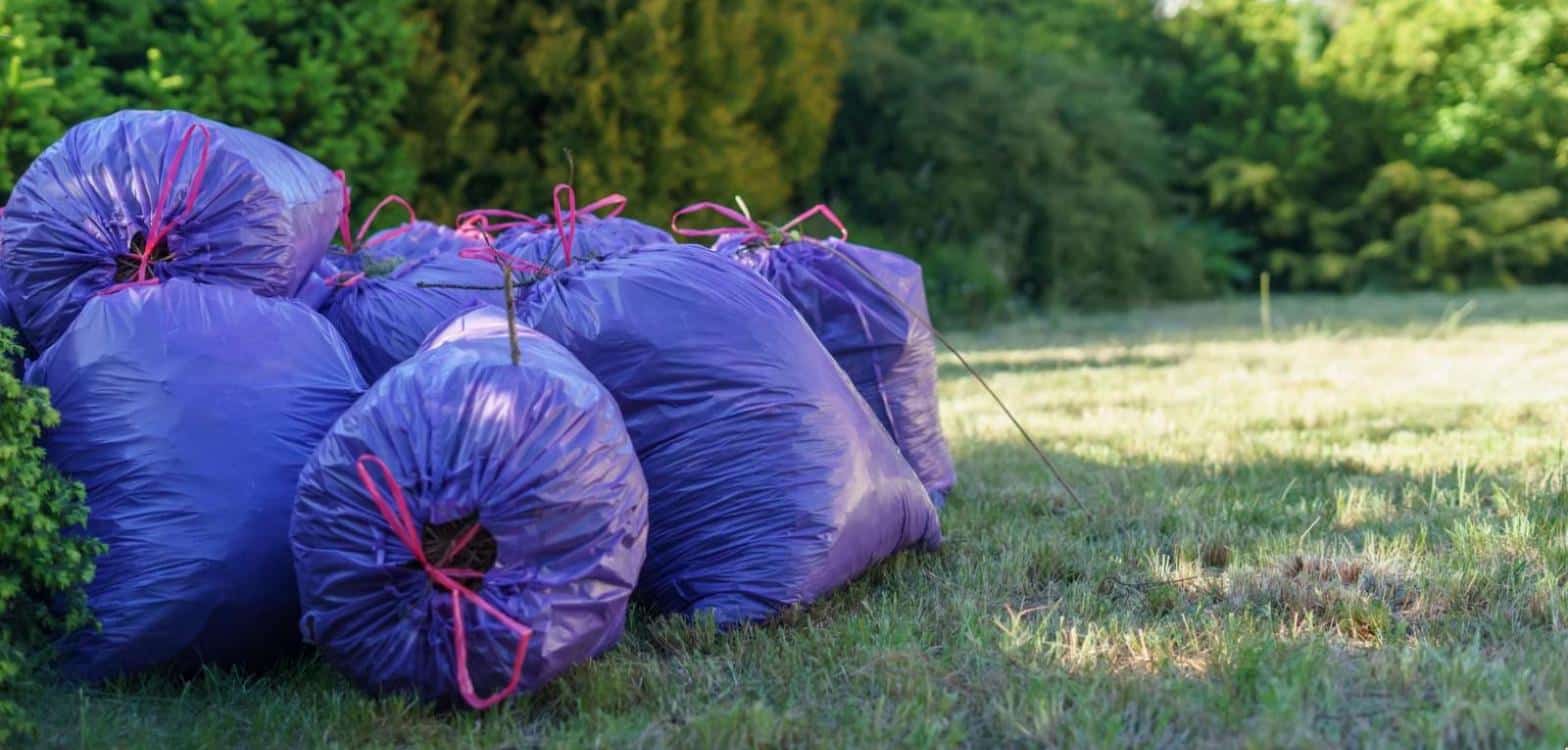
A few minutes of planning before you book makes yard waste pickup run more smoothly. Before you schedule, review what material you have, how it is prepared, how much there is, and how our crew will reach it.
This checklist covers what Toronto property owners should know before booking yard waste disposal with our team.
People Also Ask
Can kitchen scraps go in yard waste in Toronto?
No. The City of Toronto does not accept kitchen waste, such as fruit and vegetable scraps, as yard waste. Food scraps belong in the city’s green bin program instead.
Is mulch accepted as yard waste in Toronto?
Yes. The City of Toronto accepts mulch as yard waste, along with leaves, twigs, roots, and trimmings from trees, hedges, and shrubs.
Can fallen fruit from trees go in yard waste?
Yes. The City of Toronto accepts waste fruit from trees as yard waste. The city also runs programs to reduce surplus fruit, which can be worth checking if you have a productive tree.
What Types of Prepared Yard Waste Can Be Picked Up?
Our crew collects prepared plant material and woody debris that we can safely lift and carry. Common examples include:
- Bagged leaves and garden trimmings
- Bagged weeds, spent plants, and hedge clippings
- Seasonal plant material such as pumpkins and corn stalks
- Branches and twigs stacked in a single pile
- Trunk pieces that our crew can safely handle
Kitchen scraps are organic material too, but they are not yard waste. In Toronto, organic waste disposal for food scraps goes through the City’s green bin program.
Why Yard Waste Should Be Bagged Before Pickup
Bag and prepare yard waste before the scheduled pickup appointment. Our crew loads everything manually and does not rake or gather loose material on site.
Bagging keeps leaves and trimmings contained during loading. It also protects material from wind and makes the volume easier to estimate. Close each bag and avoid overfilling, since wet material gets heavy.
How to Prepare Branches, Twigs, and Trunk Pieces
Place branches, twigs, and trunk pieces together in a single pile. Keep the pile on stable ground and away from fences, sheds, and vehicles.
Each trunk piece must be safe for our crew to lift by hand. We assess larger sections case by case based on size and weight.
Why Yard Waste Volume Matters
Volume shapes how we plan the appointment. It affects crew size, truck space, and time on site. A few bags and a small branch pile need far less planning than a full season of fall leaves.
Accurate estimates help us confirm whether one appointment is enough. Very large projects may need more than one visit. If you are working on a big outdoor job, see how to plan yard waste pickup after a major landscaping project.
What to Know About Soil and Other Heavy Materials
Soil, sand, and gravel are heavy debris, not yard waste. We remove these in limited quantities, depending on weight and volume. Keep heavy material separate from bagged yard waste and describe it when you book. City curbside collection doesn’t accept soil or sod, so scheduling a pickup is often the practical route for small amounts.
Where to Place Prepared Yard Waste Before Pickup
Keep prepared yard waste on your own property in a safe, reachable spot. Don’t block driveways, exits, or shared walkways. Tell us exactly where the bags and pile sit when you book, whether that is a backyard, side yard, or driveway.
How Property Access Can Affect the Pickup Appointment
Our crew carries everything by hand, so the route from the material to the truck matters. Access details that affect planning include:
- Gates, steps, or narrow side paths
- Distance from the pile to where the truck can park
- Fenced backyards or tight corners
- Parking restrictions on your street
Difficult access does not rule out a pickup. It simply changes how much time and crew the appointment needs.
What Details Should You Provide When Booking?
Share these details to help our team plan accurately:
- The approximate number of bags
- The size of the branch pile
- The length and thickness of trunk pieces
- Any soil, sand, or gravel
- Where the material sits and how to reach it
- Any other junk you want removed at the same visit
Photos are helpful, especially for larger trunk pieces.
When Should You Schedule Yard Waste Pickup?
Book as soon as you know a project will outgrow curbside collection. Good times to schedule include:
- The day after a large pruning or landscaping project ends
- Peak fall leaf season, when bags pile up fastest
- After a storm leaves limbs on the ground
- Before a sale, move, or tenancy change
- After City curbside collection ends in the middle of November
Spring and fall are busy periods, and many outdoor projects can create more yard waste than expected. Booking early gives you more date options.
Book Your Pickup Once Your Yard Waste Is Ready
A scheduled pickup works well for prepared yard debris that is bagged, piled, and ready to go. If you are still weighing options, consider Yard Waste Pickup in Toronto for Seasonal Projects and Property Maintenance as a starting point. Once the material is prepared, 1-800 RID-OF-IT handles the lifting, loading, and hauling.
We believe in sustainability. Whenever possible, we recycle or donate items to reduce environmental impact, and yard waste recycling options depend on the material and what is available at the time.
Call 1-800-743-6348 or contact our team to schedule your yard waste pickup in Toronto.