
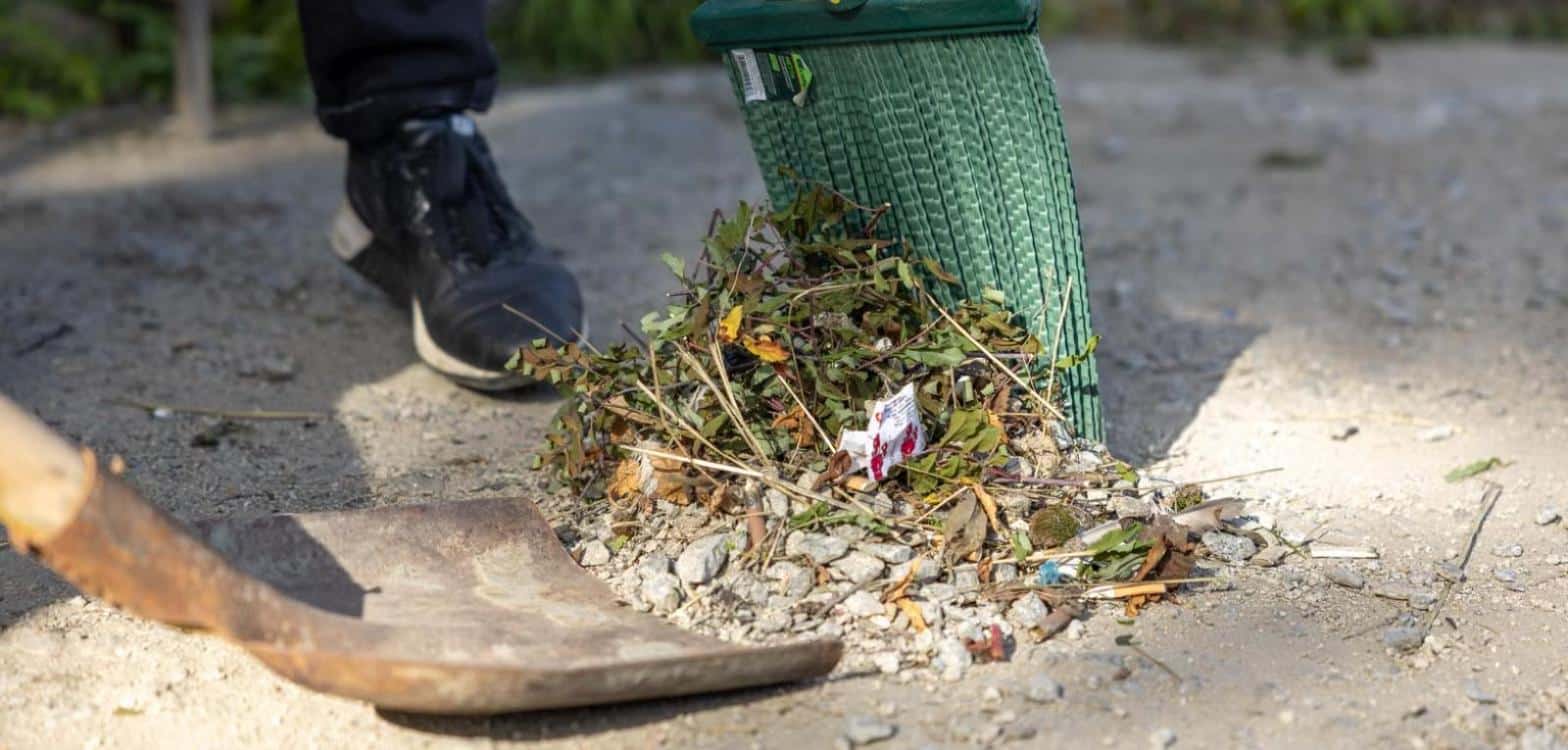
Most outdoor projects start small. You plan to trim a hedge or tidy one garden bed. By the weekend’s end, bags line the driveway and branches fill the side yard.
This yard cleanup waste adds up faster than most Toronto property owners expect. City curbside collection runs every other week and has size limits; when a project outgrows that schedule, debris sits and piles up.
Here are seven common projects that tend to produce more yard waste than planned and how to handle it.
People Also Ask
When should I start spring yard work in Toronto?
The City of Toronto suggests waiting until temperatures stay above 10 degrees, day and night, for at least a week. Starting too early can harm pollinators nesting in leaves and plant stems. Waiting also concentrates your spring debris into a shorter window.
Can hedge trimmings go in Toronto yard waste?
Yes. The city accepts trimmings from hedges, shrubs, and trees in kraft paper bags or rigid open-top containers. Tie brush and branches in bundles no longer than 1.2 m. For larger volumes, you can schedule a pickup appointment to collect bagged trimmings at once.
What should I do with invasive plants from my garden?
The City of Toronto asks residents to place invasive plants, such as garlic mustard, buckthorn, and dog strangling vine, in a securely tied plastic bag as garbage. Don’t put them in yard waste, because composting can spread them.
Can I put weeds with soil in yard waste?
Only after removing the excess soil. The city accepts pulled weeds in yard waste but not soil. Soil, sand, and gravel count as heavy debris, which we remove in limited quantities depending on weight and volume.
1. Spring Property Maintenance
Winter leaves behind more than you see at first. Matted leaves, broken branches, and dead perennials surface once the snow melts. A single afternoon of spring work can fill many bags and start a branch pile. Much of it is wet, which makes it heavier to move.
2. Fall Leaf Removal
Fall produces the most loose yard waste. Mature trees can drop enough leaves to fill bag after bag, and they keep falling for weeks. Many property owners rake several times in one season. Each round adds to the pile waiting for collection.
3. Tree and Branch Trimming
Pruning creates bulky woody debris quickly. Even a few cut limbs turn into a large pile of branches and twigs. Thicker pieces are also an issue. City curbside collection does not accept wood over 7.5 cm (3 inches) in diameter.
4. Hedge and Shrub Maintenance
Hedges look manageable until you trim the full length. Cedar and privet trimmings pile up fast and pack loosely into bags. Shaping overgrown shrubs often means cutting back more than planned, which doubles the volume.
5. Garden Bed Maintenance
Resetting garden beds produces a steady stream of weeds, spent annuals, and old perennials. Removed plants bring root balls and soil. Soil counts as heavy debris rather than yard waste, so it needs separate planning.
6. Landscaping Projects
Garden redesigns and planting projects create the most varied debris. You may end up with bagged plant material, removed shrubs, branches, and soil or gravel. We remove heavy debris such as dirt, sand, and gravel in limited quantities, depending on weight and volume. For a bigger job, see how to plan yard waste pickup after a major landscaping project.
7. Storm-Related Property Work
Windstorms and ice storms create debris with no warning. Fallen limbs and trunk pieces can block driveways and walkways. If limbs are still hanging in a tree, contact a tree professional first. Our crew collects storm debris once it is safely on the ground and prepared.
When Does an Outdoor Project Need Scheduled Yard Waste Pickup?
Curbside collection handles routine volumes well, and DIY yard waste disposal works for a few bags. A scheduled garden waste removal appointment makes more sense when:
- Your bags exceed what the next collection can take
- Branches or trunk pieces are thicker than city limits allow
- The city curbside season has ended for the year
- Debris needs to be gone before a sale, move, or new tenancy
- You have no vehicle to haul material to a drop-off depot
Waiting has a cost. Bagged leaves get wet and heavy, and branch piles can damage the lawn underneath. Booking once the project wraps up keeps the property usable.
How to Prepare Yard Waste Before the Pickup Appointment
Bag yard waste and have it ready before the crew arrives. Our team does not rake or bag loose material on site. Follow these steps:
- Bag all leaves, trimmings, weeds, and spent plants.
- Place branches, twigs, and trunk pieces in a single pile.
- Keep soil, sand, or gravel separate from yard waste.
- Share the volume, location, and access details when you book.
Our crew lifts and loads everything manually, so trunk pieces must be safe to handle. We assess larger sections at booking based on size and weight. For a full checklist, see what you should know before scheduling yard waste pickup.
Book a Scheduled Yard Waste Pickup
Seasonal maintenance, trimming, landscaping, and storms can all leave more debris than curbside collection can handle. Planning keeps that debris from sitting on your property for weeks.
At 1-800 RID-OF-IT, we handle outdoor waste removal appointments and Yard Waste Pickup in Toronto for Seasonal Projects and Property Maintenance. You bag the loose material and pile the branches. Our crew lifts, loads, and hauls it away.
Call 1-800-743-6348 or contact our team to schedule your yard waste pickup appointment.