
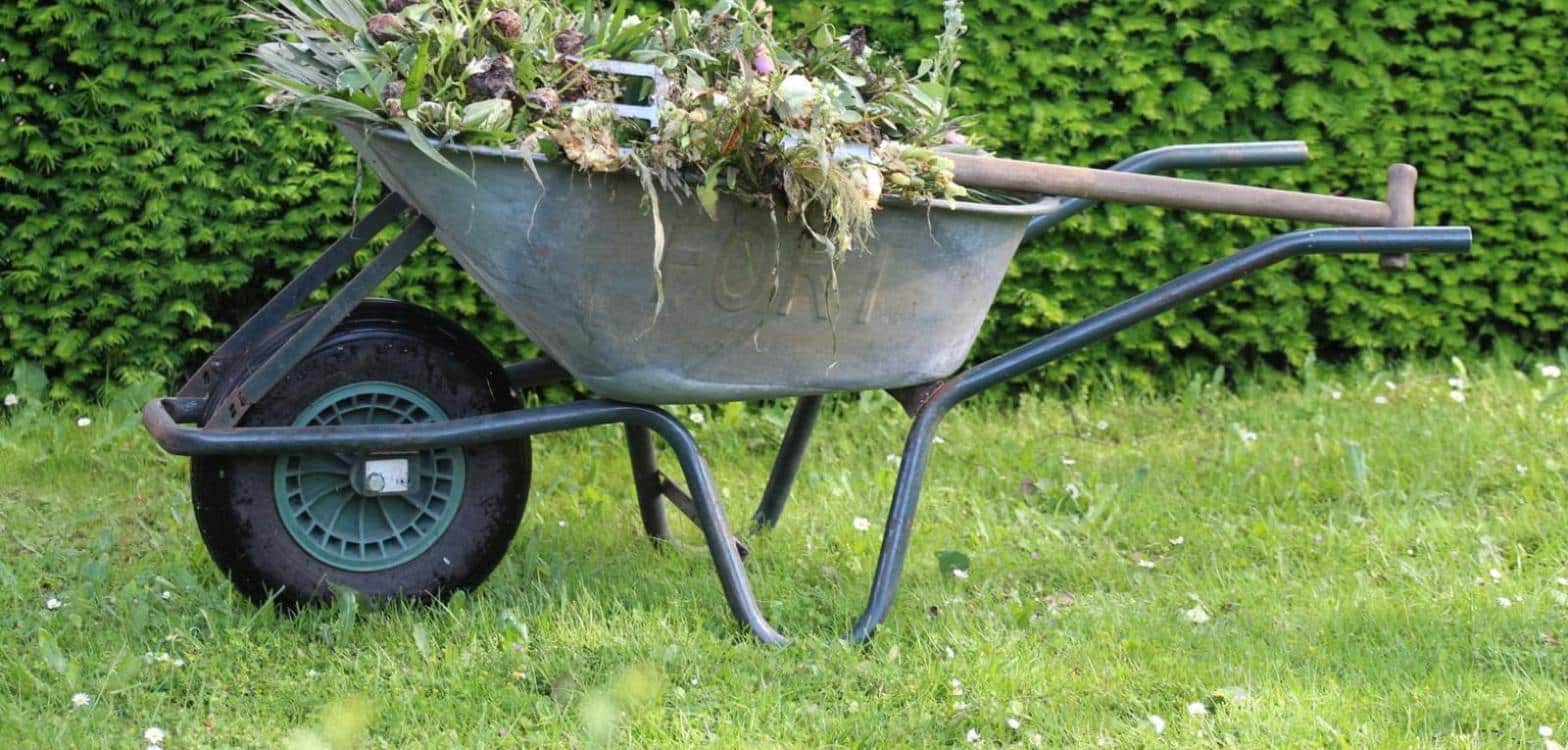
Small volumes of yard waste are easy to handle yourself. A few bags fit in a car trunk, and one trip to a drop-off depot finishes the job. Larger projects are different. Many outdoor projects can create more yard waste than expected, and moving it takes more lifting, transportation, preparation, and planning.
This guide compares DIY disposal with a yard waste removal service so you can choose the right approach for a large Toronto project.
People Also Ask
Can a Toronto Drop Off Depot take thick branches?
The City’s depots accept yard waste that meets its size requirements. Wood thicker than 7.5 cm (3 inches) in diameter is outside those limits, and the City directs residents to a private company.
Does Toronto charge for yard waste drop-off?
Fees may apply at City of Toronto Drop-Off Depots. Check the City’s depot page for current details before you go.
How do I move yard waste without a truck?
Small loads of bagged leaves can fit in a car, though branches and wet material can damage the interior. Larger loads usually mean several trips. A scheduled pickup removes the need for your own vehicle.
How should you prepare branches for a professional pickup?
For our pickup appointments, pile branches, twigs, and trunk pieces together in one pile. We assess larger trunk sections at booking, based on whether our crew can lift and carry them safely.
What Does DIY Yard Waste Disposal Involve?
DIY disposal means handling every step yourself. You bag and bundle the material, load it into a vehicle, drive to a City of Toronto Drop-Off Depot, and unload it. The City accepts yard waste at its depots year-round, though fees may apply. Material must meet the same size rules as curbside collection.
How Scheduled Yard Waste Pickup Works
With a scheduled pickup, you prepare the material, and our crew handles the rest. Bag the loose material and place branches, twigs, and trunk pieces in a single pile. On the appointment date, our team lifts, loads, and hauls everything away by hand. Before booking, review what you should know before scheduling yard waste pickup.
Comparing the Amount of Prepared Debris Each Option Can Handle
DIY capacity depends on your vehicle. A car holds a few bags, and even a pickup truck may need several trips for a large project. We schedule yard debris pickup around your volume at booking. Very large projects may need more than one yard waste pickup appointment, which our team confirms in advance. If your project involves landscaping, here is how to plan yard waste pickup after a major landscaping project.
Comparing Loading and Physical Handling
DIY means lifting every bag and branch at least twice: into the vehicle and out again. Wet leaves and trunk pieces add real strain. With a scheduled pickup, our crew loads everything manually. We assess trunk pieces at booking to confirm they can be lifted safely.
Comparing Transportation Requirements
DIY requires a suitable vehicle and interior protection. Branches can scratch surfaces, and wet material can leak. Longer branches may not fit at all. A scheduled pickup removes the need for your own vehicle entirely.
Comparing Preparation Requirements
DIY drop-off follows city-size rules. The City does not accept wood thicker than 7.5 cm (3 inches). For curbside set out, you must also tie the brush with natural fiber rope in bundles no longer than 1.2 m and no heavier than 20 kg.
For a scheduled pickup, preparation is simpler. Bag the loose material and stack woody debris in a single pile. Assess thicker trunk pieces by size and weight.
Comparing Time and Convenience
DIY takes time beyond the project itself. Loading, driving, waiting, unloading, and returning can fill an afternoon, and large projects multiply that. A scheduled pickup takes one booking and one appointment. You spend the time on the project, not the hauling.
DIY Disposal vs Scheduled Pickup Comparison Table
| Factor | DIY disposal | Scheduled pickup |
| Volume | Limited by your vehicle | Planned around your volume |
| Loading | You lift everything twice | Our crew loads manually |
| Vehicle | Required | Not required |
| Branch prep | Within City size limits | Single pile |
| Thick wood | Not accepted over 7.5 cm | Assessed for safe lifting |
| Soil and gravel | Check City rules | Limited quantities as heavy debris |
| Time | Multiple trips for large loads | One appointment, or more for very large projects |
Source for City rules: City of Toronto, Yard Waste, updated September 30, 2026.
When DIY Disposal May Suit a Smaller Project
DIY can work well when:
- You have a few bags and a small branch pile
- Branches fit within City size limits
- You have a suitable vehicle and time for the trip
- Lifting and loading are comfortable for you
When Scheduled Pickup May Be More Practical
A scheduled pickup often makes more sense when:
- The volume would take several trips
- Trunk pieces are thick or heavy
- Soil or gravel from the project also needs to go
- You lack a vehicle or prefer not to load one
- The debris needs to be gone by a specific date
What to Consider Before Choosing a Yard Waste Removal Method
Ask yourself five questions. How much prepared debris is there? What types of material are included? Do you have the right vehicle? How easy is it to reach the material? Can you safely lift the heavier pieces? Your answers usually point to the right choice.
Choosing the Right Approach
The right method depends on the volume of prepared debris, material type, transportation needs, property access, and handling requirements. DIY suits small, manageable loads. For larger projects, professional yard waste removal saves the lifting and the trips.
At 1-800 RID-OF-IT, our crew loads prepared yard waste manually and hauls it away. Call 1-800-743-6348 or contact our team to book your appointment. To explore more, please check our guide on Yard Waste Pickup in Toronto for Seasonal Projects and Property Maintenance.