
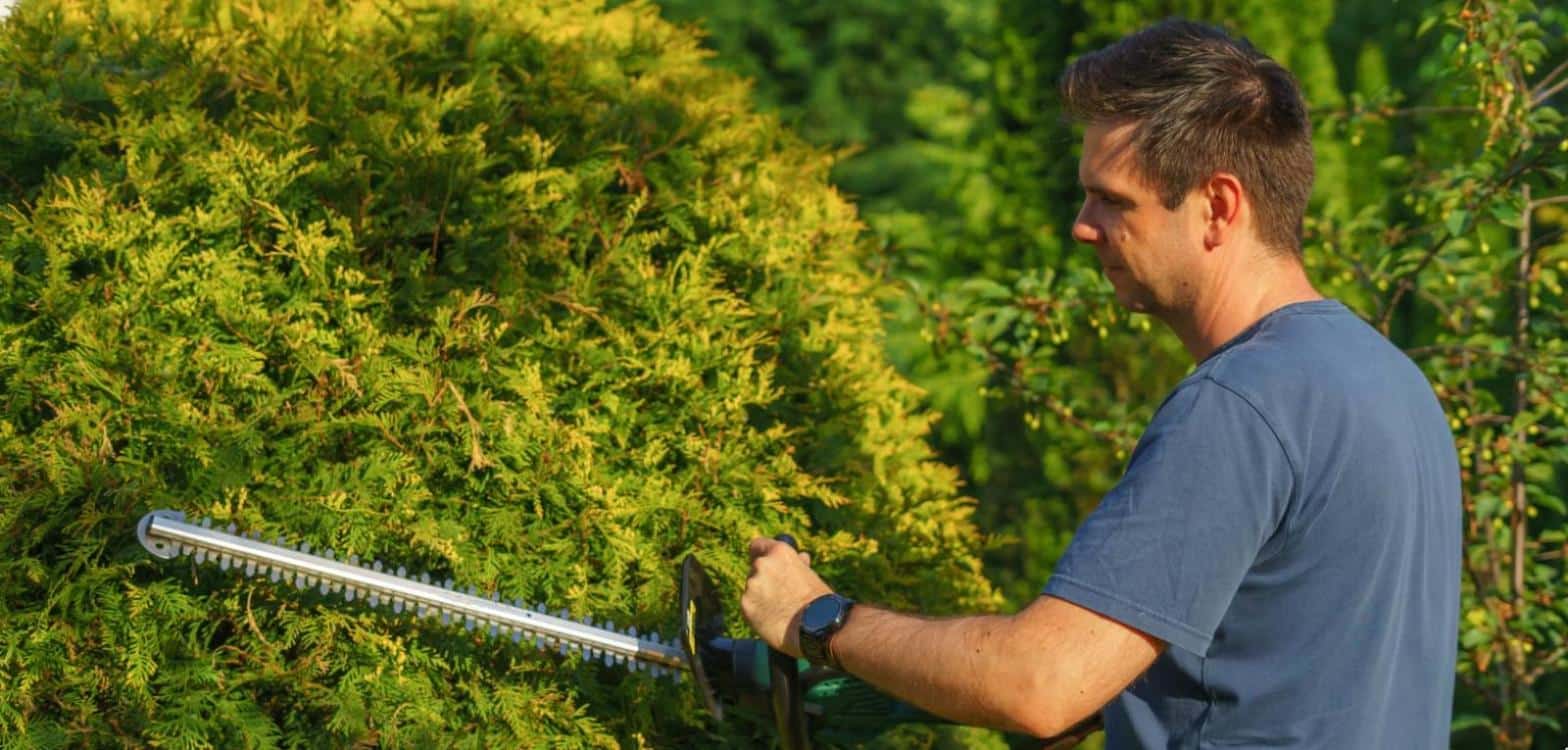
A major landscaping project rarely produces just one kind of debris. Removed shrubs, cut branches, bagged trimmings, and soil can all appear in the same week. If no one plans for them, they pile up fast and slow the project.
The simplest approach is to plan landscaping waste removal before the first shovel goes in. These steps help Toronto property owners keep debris organized from start to finish.
People Also Ask
Am I responsible if my landscaper breaks Toronto yard waste rules?
Yes. The City of Toronto says residents who hire landscaping contractors are responsible for ensuring those contractors follow the yard waste rules. Confirm how your contractor handles debris before work begins.
Can sod go in yard waste in Toronto?
No. The City of Toronto does not accept sod as yard waste and directs residents to a private company. Sod and soil may be considered heavy debris for scheduled pickup, in limited quantities based on weight and volume.
What can I use to tie branch bundles for the Toronto collection?
The City of Toronto requires natural fibre rope, such as burlap or twine. Bundles tied with metal or plastic rope are not accepted.
How big can branch bundles be for Toronto curbside collection?
Bundles must be no longer than 1.2 m (4 feet), no wider than 0.6 m (2 feet), and no heavier than 20 kg (44 lbs). We don’t collect wood thicker than 7.5 cm (3 inches) in diameter at the curb.
Identify the Yard Waste the Project Will Generate
Start by listing what the project will remove. Common yard waste from landscaping includes leaves, hedge and shrub trimmings, weeds, old perennials, branches, twigs, and trunk pieces. Landscaping is one of several outdoor projects that can create more yard waste than expected. Knowing what to expect helps you prepare bags and space early.
Separate Yard Waste From Other Project Materials
Landscaping projects often produce more than plant material. Keep yard waste apart from soil, stone, lumber, and packaging. Mixed loads are harder to load by hand and harder to assess at booking.
Estimate the Amount of Yard Waste
A rough estimate is enough. Count expected bags, picture the size of the branch pile, and note any large trunk pieces. Your contractor can often help, since they know how much material the job will remove. A clear estimate also helps you compare DIY yard waste disposal vs scheduled pickup.
Decide Where Prepared Debris Will Be Placed
Choose a safe spot on your own property before work begins. It should not block driveways, exits, or the work area. Choose a spot our crew can easily reach, and keep heavy debris in a separate nearby area.
Bag Leaves, Trimmings, and Small Garden Debris
Bag all loose plant material before the pickup appointment. Bag leaves, trimmings, weeds, and spent plants as you work, not at the end. Close each bag and avoid overfilling, since damp material gets heavy.
Group Branches, Twigs, and Trunk Pieces
Place all woody debris in a single pile. Each trunk piece must be safe for our crew to lift and carry by hand. We assess larger sections case by case based on size and weight.
Confirm Whether Limited Heavy Materials Can Be Accepted
Soil, sand, and gravel are heavy debris, not yard waste. We remove these in limited quantities, depending on weight and volume. Describe the amount at booking so our team can confirm what fits the appointment. City curbside collection does not accept soil or sod.
Keep Unsupported Construction Debris Separate
Some landscaping work involves old paving stones, broken concrete, or lumber. Keep these materials away from your yard waste and mention them at booking. We do not provide demolition or remove concrete slabs, so plan for those materials separately.
Decide Whether One Pickup Appointment Is Enough
One appointment often covers a single phase of work. Multi-phase projects, such as clearing beds before planting new ones, may suit more than one visit. Booking after each phase keeps debris from building up on site.
Consider Property and Truck Access
Our crew carries everything by hand, so access matters. Note gates, steps, narrow side paths, and where the truck can park. Fresh landscaping, such as new sod or planting beds, may also limit where the crew can walk. Mention it at booking. Our guide on what you should know before scheduling yard waste pickup covers access in more detail.
Coordinate Pickup Timing With the Landscaping Schedule
Schedule the pickup for the day after heavy removal work ends. If a contractor is doing the work, confirm who handles the debris. The City of Toronto notes that residents who hire landscaping contractors are responsible for making sure contractors follow its yard waste rules.
What to Tell the Removal Company Before the Appointment
Share these details with our team:
- The approximate number of bags
- The size of the branch pile and any large trunk pieces
- Any soil, sand, or gravel
- Where the material sits and how to reach it
- Your landscaping timeline and preferred date
Final Yard Waste Pickup Checklist
- Loose material is bagged and closed
- Branches, twigs, and trunk pieces are in a single pile
- Heavy debris is kept in a separate area
- Construction materials are set aside
- Material is reachable and does not block exits
- Volume and access details are shared at booking
Plan for a Smoother Pickup
Planning turns a messy end-of-project pile into an organized pickup appointment. When debris is identified, separated, bagged, and piled as the work moves along, landscape debris removal becomes one simple visit.
At 1-800 RID-OF-IT, we handle outdoor waste removal across the city and our crew lifts, loads, and hauls prepared material by hand. To learn more about how we manage Yard Waste Pickup in Toronto for Seasonal Projects and Property Maintenance, call 1-800-743-6348 or contact our team to book your garden waste pickup appointment.