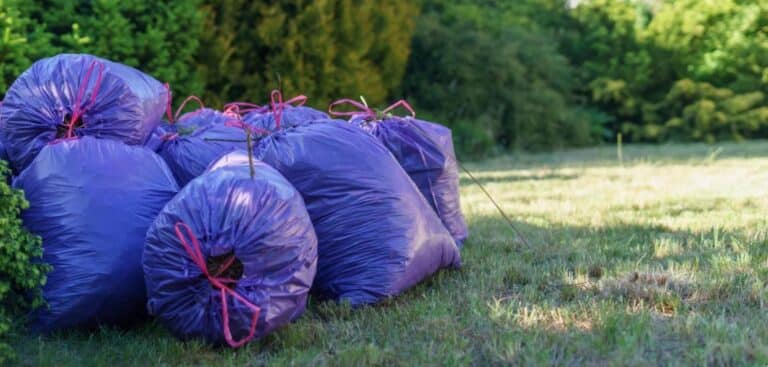
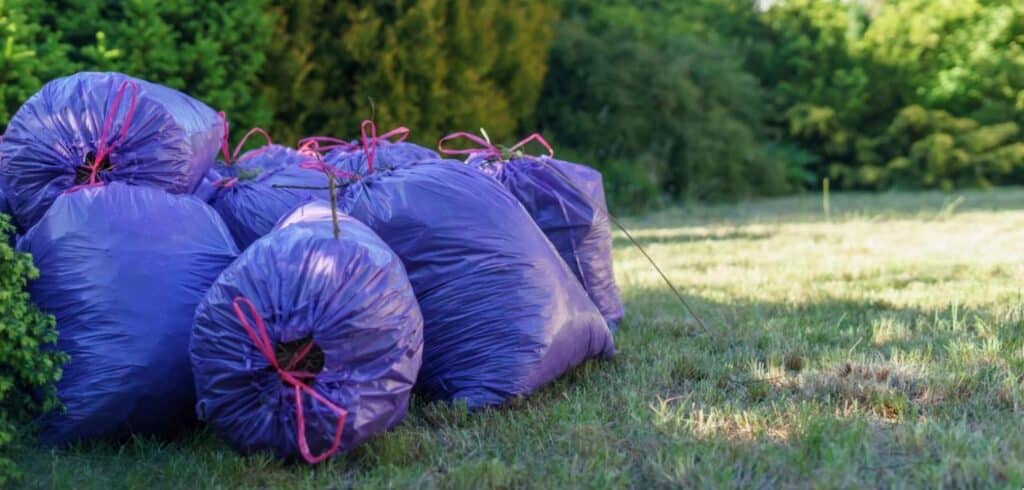
Every season leaves something behind on a Toronto property. Spring pruning fills the side yard with branches. Summer landscaping produces bags of trimmings and old plants. Fall turns the lawn into a sea of leaves. A single windstorm can drop limbs across a driveway overnight.
Most of this debris is easy to bag or stack. The harder part is getting it off the property on your schedule. Municipal collection follows set dates and set limits. When a project produces more than a regular pickup can take, the piles start to sit.
That is where a scheduled yard waste pickup in Toronto comes in. At 1-800 RID-OF-IT, our team collects prepared yard waste and hauls it away in a single appointment. Our crew loads every item manually. You prepare the material, and we handle the lifting, loading, and transport.
This guide explains what counts as yard waste, how to prepare it, how municipal collection compares with scheduled pickup, and when to book an appointment.
Key Takeaway
Scheduled yard waste removal works when your outdoor project creates more debris than regular collection can handle. To keep the pickup appointment simple:
- Bag leaves, trimmings, and small plant debris before the crew arrives.
- Place branches, twigs, and trunk pieces in a single pile.
- Share the approximate volume and access details when you book.
- Book early during peak seasons such as spring and fall.
Our crew loads all prepared material manually and transports it for appropriate disposal.
What Counts as Yard Waste?
Yard waste is organic plant material from maintaining outdoor spaces. It grows, falls, or gets trimmed from gardens, lawns, trees, and shrubs.
Common examples include:
- Fallen leaves
- Twigs and small branches
- Trimmings from hedges, shrubs, and trees
- Brush cuttings and pulled weeds
- Spent garden plants and old annuals
- Seasonal plant material such as pumpkins and corn stalks
- Trunk pieces from pruned or fallen trees
Yard waste does not include general junk left outside. Patio furniture, broken planters, old hoses, and garden tools fall under a regular junk removal appointment. Our team can collect those items too, but we handle them as junk rather than plant material.
Some landscaping materials sit in a separate category. Soil, sand, and gravel count as heavy debris, not yard waste. We remove these in limited quantities, depending on weight and volume. Sharing the details at booking helps us confirm what fits your appointment.
Knowing which category each item belongs to makes planning simpler. It also helps you prepare properly before the crew arrives.
When Does Yard Waste Become Difficult to Manage?
A few bags of leaves rarely cause trouble. Problems start when volume, timing, or size outpaces your options.
Yard waste often becomes hard to manage when:
- The volume outpaces collection. A full weekend of pruning can produce more bags than one curbside pickup can take.
- Collection dates do not match your project. Municipal pickup runs every other week, so finished work may sit for days.
- Branches are too thick. Toronto curbside collection does not accept wood thicker than 7.5 cm (3 inches) in diameter.
- Storms create sudden debris. Fallen limbs can block driveways, walkways, and side yards with no warning.
- The season has ended. Toronto curbside yard waste collection runs from mid-March to mid-November.
- You have no vehicle for hauling. Bags and branches do not fit easily in a car.
Leaving debris in place carries real costs. Wet leaves grow heavy and start to break down. Piles can attract pests and smother the lawn underneath. Tenants, buyers, and visitors notice a neglected property.
When any of these situations arise, a scheduled yard waste removal appointment removes the material on a date that suits you.
Source: City of Toronto, Yard Waste, page updated September 30, 2026.
What Prepared Yard Waste Can Be Collected?
Our crew collects prepared yard waste that’s ready to load. That means bagged plant material and a single pile of woody debris. Our team lifts and loads everything manually.
Prepared yard waste we can collect includes:
- Bagged leaves
- Bagged hedge, shrub, and garden trimmings
- Bagged weeds and spent plants
- Branches and twigs stacked in a single pile
- Trunk pieces that our crew can safely lift and carry
Eligibility depends on a few practical factors. Weight, volume, and access all shape what fits a single appointment. We assess large trunk sections case by case, based on whether the crew can lift and handle them safely.
We do not rake, gather, or bag loose material on site. Our role starts once the yard waste is prepared. This keeps the appointment efficient and helps us plan the right crew and truck space.
If you are unsure whether an item qualifies, describe it when you book. Photos and rough measurements help our team confirm details before pickup. A quick conversation upfront avoids surprises on the day.
How Seasonal Outdoor Projects Create Different Types of Yard Waste
Each season brings its own outdoor work and its own debris. Some of these are outdoor projects that can create more yard waste than expected. Planning around these patterns helps you book in time.
Spring
Spring is the season of recovery. Winter leaves behind broken branches, matted leaves, and dead perennials. Many property owners also prune shrubs and trees before new growth starts. The result is a mix of bagged plant material and woody debris.
The City of Toronto suggests waiting at least a week after temperatures stay above 10 degrees, day and night, before spring yard work. This protects nesting pollinators. This timing can also concentrate debris into a shorter window.
Summer
Summer is the main season for landscaping projects. Garden redesigns, hedge trimming, and plant replacements all produce steady volumes. Old shrubs come out, and fresh beds go in. We treat removed soil from these projects as heavy debris and assess it separately.
Fall
Fall produces the most leaves. Mature trees can fill many bags in a single afternoon. Gardens are cut back for winter, and after the holidays, pumpkins and corn stalks join the pile.
Storm Season
Windstorms and ice storms can strike in any season. They often leave behind large limbs and trunk pieces. This debris arrives without warning and can block access around the property.
Municipal Collection vs Scheduled Yard Waste Pickup
Municipal yard waste collection in Toronto works well for routine, modest volumes. A scheduled pickup suits larger or time-sensitive projects. Many property owners use both.
| Factor | City curbside collection | Scheduled pickup with our team |
|---|---|---|
| Timing | Every other week on garbage day | A date you book |
| Season | Around the middle of March to the middle of November | Booked based on availability |
| Containers | Kraft paper bags or rigid open-top containers; plastic bags not accepted | Bagged material, confirmed at booking |
| Branches | Bundles up to 1.2 m long, 0.6 m wide, and 20 kg | Single pile of branches, twigs, and trunk pieces |
| Wood diameter | Up to 7.5 cm (3 inches) | Assessed based on safe lifting |
| Soil and sod | Not accepted at the curb | Assessed as heavy debris in limited quantities, based on weight and volume |
| Loading | You carry everything to the curb | Our crew loads manually |
The City also accepts yard waste year-round at its drop-off depots, though fees may apply. This option works well if you have a suitable vehicle and time to make the trip, making it a practical alternative to consider when comparing DIY Yard Waste Disposal vs Scheduled Pickup for a Large Project.
A scheduled appointment makes sense when your debris exceeds curbside limits or cannot wait for the next collection date. It also helps when you would rather not haul material yourself.
How Should Yard Waste Be Prepared Before Pickup?
Bag yard waste and have it ready before your scheduled pickup appointment. Preparation keeps the visit efficient and lets our crew focus on loading and transport.
Follow these steps before the crew arrives:
1. Bag all loose material. Bag leaves, trimmings, weeds, and spent plants.
2. Close each bag. Closed bags are easier to carry and do not spill during loading.
3. Keep bags at a manageable weight. Wet leaves get heavy fast, so avoid overfilpng.
4. Separate woody debris. Put branches, twigs, and trunk pieces in their own pile, not in bags.
5. Share the location. Tell us where the bags and pile sit on the property when you book.
6. Mention any other items. If old patio furniture or other junk is also going, include it in your booking details.
Weather matters too. Rain soaks bags and adds weight. If possible, keep bags covered or under shelter until pickup day.
The more prepared the material, the smoother the appointment. Our team arrives, confirms the load, and starts carrying everything to the truck.
How Should Branches, Twigs, and Trunk Pieces Be Prepared?
Woody debris follows different rules than bagged material. Place branches, twigs, and trunk pieces together in a single pile for pickup.
A single pile helps in several ways:
- The crew can see the full volume at a glance.
- Loading moves faster with fewer trips across the property.
- Scattered pieces are less likely to be missed.
- Keep walkways and driveways clear before the appointment.
Keep the pile on stable, reachable ground. Avoid stacking branches against fences, sheds, or vehicles. Make sure the pile does not block exits or shared paths.
City curbside rules work differently. They require bundles tied with natural fibre rope, no longer than 1.2 m, with wood no thicker than 7.5 cm. Our pickup appointment works from a single pile instead.
Trunk pieces deserve extra attention. Our crew lifts and carries everything by hand, so each piece must be safe to handle. We assess heavier sections during booking based on size and weight. Share the approximate length and thickness so we can plan the right crew.
If a storm leaves limbs hanging in a tree, contact a tree professional first. Our crew collects storm debris once it is safely on the ground.
Managing Prepared Yard Waste From Larger Landscaping Projects
Landscaping projects create more debris than routine maintenance. A garden redesign or hedge replacement can fill a driveway in a day or two, and knowing How to Plan Yard Waste Pickup After a Major Landscaping Project keeps the site workable throughout.
Common sources of debris on larger projects include:
- Removed shrubs, hedges, and small trees
- Old perennial beds and overgrown ground cover
- Heavy pruning of mature trees
- Soil, sand, or gravel from regrading or new beds
The first three categories are yard waste. Bag the soft material and pile the woody debris, as outlined above. The last category counts as heavy debris. We remove limited quantities of dirt, sand, gravel, and similar materials, depending on weight and volume. Mention these materials at booking so our team can assess them.
A few planning tips help on larger jobs:
- Book the pickup for the day after the heavy work ends.
- Split very large projects into more than one appointment if needed.
- Keep yard waste and heavy debris in separate areas.
- Share the full scope of the project when you book.
If a landscaping contractor is doing the work, check who handles the debris. Some contractors haul it away; others leave it behind. Knowing this early prevents unplanned pile starts once material is prepared. We don’t do landscaping, raking, or yard cleanup. We focus on lifting, loading, and hauling away what your project leaves behind.
How Yard Waste Volume and Accessibility Affect Pickup Planning
Two factors shape every pickup: how much material there is and how easily the crew can reach it. Sharing both at booking helps us plan the right crew size, truck space, and on-site time.
Volume
Volume covers more than the number of bags. Our team considers:
- The number and size of bags
- The size of the branch and twig pile
- The length and thickness of trunk pieces
- Any heavy debris such as soil or gravel
Wet material adds weight without adding size. A pile of rain-soaked leaves takes more effort to lift than the same pile when dry. Mention recent weather if the material has been sitting outside.
Accessibility
Access affects how long loading takes. Our crew carries everything by hand, so the route from the pile to the truck matters. Helpful details include:
- Where the material sits, such as a backyard, side yard, or driveway
- Gates, steps, or narrow passages along the route
- Distance from the pile to where the truck can park
- Parking restrictions on your street
Material in a fenced backyard with a narrow side path takes more time than bags at the front of the property. Neither is a problem. It simply changes how we plan the appointment.
Clear details at booking lead to accurate planning and smooth yard waste disposal on the day.
Yard Waste Pickup for Residential, Rental, Estate, and Commercial Properties
Different properties face different yard waste challenges. Our pickup appointment adapts to each one, as long as the material is prepared.
Residential Properties
Residential property owners often deal with seasonal peaks. Fall leaves and spring pruning can quickly outgrow the curbside schedule. A scheduled pickup clears the backlog before it piles up further. If you have other items to clear, we can include them in a residential junk removal appointment.
Rental Properties
Landlords and property managers need outdoor spaces ready for tenants and showings. Yard debris left between tenancies makes a poor first impression. Booking a pickup between turnovers keeps units show-ready. It also reduces disputes over who handles leftover debris.
Estate Properties
Estate properties often carry years of deferred outdoor maintenance. Overgrown hedges, fallen limbs, and old garden beds may need attention at once. Families and executors can book a pickup once they’ve prepared the material. We can also remove other junk during the same visit, depending on volume and access.
Commercial Properties
Businesses, plazas, and managed sites need tidy grounds for customers and staff. Facility managers can schedule pickups after seasonal landscaping or storm damage. Commercial properties may also fall outside city curbside collection, so a scheduled option is more practical. Other unwanted items can be added to a commercial junk removal appointment, depending on volume and access.
The same preparation rules apply to every property type. Bag the soft material, pile the woody debris, and share the details when you book.
When to Schedule a Yard Waste Pickup Appointment
Book as soon as you know a project will exceed curbside limits. Waiting until the debris is already piled up shortens your options, especially in busy seasons. Start by reviewing what you should know before scheduling yard waste pickup.
Consider booking a pickup when:
- You plan a large pruning or landscaping project
- Fall leaves fill more bags than the next collection can take
- A storm leaves limbs or trunk pieces on the ground
- Curbside yard waste collection has ended for the season
- A property sale, move, or tenancy change is coming up
- Your debris includes wood thicker than city limits allow
Spring and fall are the busiest periods for yard work. Booking early in these seasons gives you more date options. For planned projects, book a few days ahead and schedule pickup for the day after the work ends.
Delays carry a cost. Leaves left bagged for weeks get wet, heavy, and harder to move. Branch piles can damage grass underneath and may draw complaints from neighbours. A sale or tenant move can stall if the outdoor space isn’t ready.
Curbside pickup appointments qualify for a 10% discount, excluding minimum fee items such as twin, double, or queen mattresses. Ask about this when you book your yard waste removal appointment.
Book Your Yard Waste Pickup Appointment
Seasonal projects, storms, and landscaping work all leave debris behind. Curbside collection covers routine volumes, but larger loads need a scheduled plan. Prepared material and a clear booking make the process simple.
At 1-800 RID-OF-IT, we handle yard waste pickup in Toronto, and property owners and managers can schedule it on their timeline. You bag the loose material and pile the branches. Our crew lifts, loads, and hauls everything away by hand.
Ready to clear your property? Call us at 1-800-743-6348 or contact our team to schedule your yard waste pickup appointment. Tell us what you have, where it sits, and when you need it gone. We will take it from there.
Frequently Asked Questions
Do I need to bag yard waste before a pickup appointment?
Yes. Bag leaves, trimmings, weeds, and other loose plant material before the crew arrives. Place branches, twigs, and trunk pieces in a single pile instead of bags.
Can you collect branches thicker than city limits?
City curbside collection does not accept wood thicker than 7.5 cm (3 inches). Our crew assesses thicker branches and trunk pieces based on size and weight. If the crew can lift and handle a piece safely, we can usually include it. Share the details at booking.
Do you rake leaves or gather loose debris?
No. We collect yard waste that is already prepared. Our team handles the lifting, loading, and transport once material is bagged or piled.
Can soil, sand, or gravel go with my yard waste?
These materials count as heavy debris, not yard waste. We remove them in limited quantities, depending on weight and volume. Mention them when you book so our team can confirm what fits the appointment.
What happens to the yard waste after pickup?
Our crew loads everything manually and transports it for appropriate yard waste disposal. We believe in sustainability. Whenever possible, we recycle or donate items to reduce environmental impact. The exact outcome depends on the material and the options available at the time.
Can you collect storm debris?
Yes, once it is safely on the ground and prepared. Bag the smaller twigs and leaves, and place larger limbs and trunk pieces in a single pile. If limbs are still hanging in a tree or resting on power lines, contact a tree professional or your utility first. Our crew assesses large trunk sections at booking based on size and weight.